
Croatia has been one of the most beautiful travel experiences for me in recent years. In this Croatia travel guide, I’ll share my complete itinerary, must-see places, and tips for a memorable road trip along the coast and beyond.
I visited it by car two years ago, taking the time to explore the capital, Zagreb, the natural wonders of Plitvice, and, of course, the coastal cities – from Zadar and Split to the famous Dubrovnik.
Although everyone praises Dubrovnik (and rightly so, it’s spectacular), I fell hopelessly in love with Split, and Zadar seemed to me an underrated gem. Below, I’ve put together a complete guide with my itinerary, must-see places, budget, accommodations, restaurants, and some useful tips for a successful vacation in Croatia.

How I Got to Croatia – Road Trip Itinerary
I chose to travel by car for total freedom. From Romania, our route went through Serbia, with the first stop in Belgrade, then Novi Sad – both perfect cities for a road trip break, with good restaurants and a relaxed atmosphere.
From there, we crossed into Croatia and stopped in Zagreb, the capital. Although it doesn’t have the charm of Europe’s major capitals, Zagreb felt full of energy, with a colorful city center and cozy cafés. It was a pleasant introduction before heading to the real spectacle: the Dalmatian coast.
This Croatia travel guide covers everything from city exploration to natural wonders and coastal gems.
Croatia Travel Guide – Top Places to Visit
1. Plitvice Lakes – A Turquoise Water Paradise
Plitvice is a natural wonder and shouldn’t be missed. Cascading waterfalls, wooden bridges over the water, and unreal turquoise hues make this park like a fairy tale. I recommend spending at least a full day here to leisurely enjoy the walking trails.

2. Zadar – The City That Surprised Me
Zadar seemed one of the most underrated coastal cities. It has Roman ruins, medieval churches, and an absolutely spectacular sunset that you can admire from the promenade, accompanied by the sounds of the Sea Organ – a unique instrument played by the waves.
Anyone following this Croatia travel guide should plan to watch the sunset from the promenade.
3. Split – Croatia’s Heart for Me
Split stole my heart. The atmosphere in the old town, with narrow streets and ancient walls, along with Diocletian’s Palace, a UNESCO site, is unmissable. Split is also a gateway to the Dalmatian islands – Hvar, Brač, and Vis.
4. Dubrovnik – Beautiful but Very Touristy
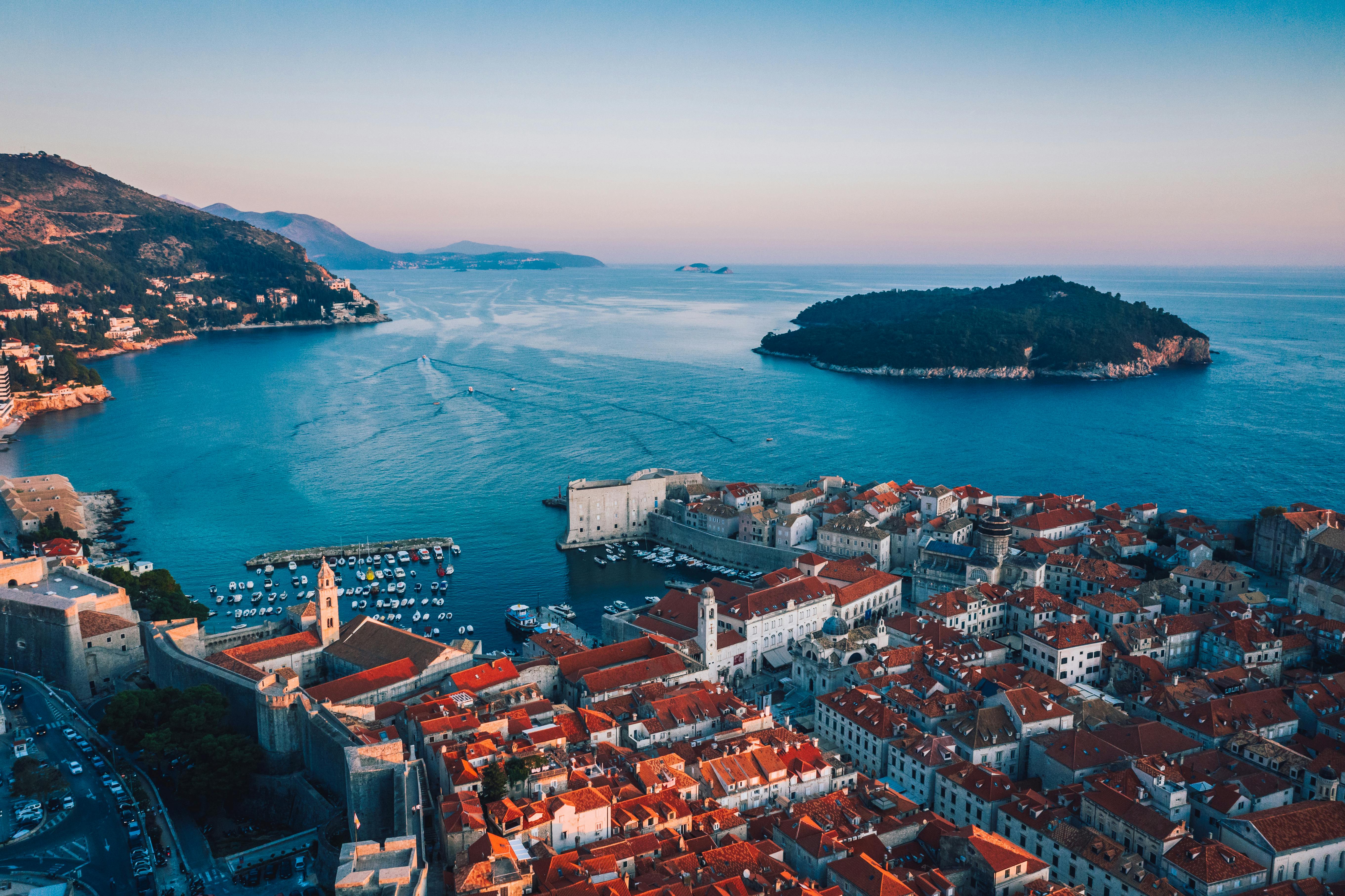
I can’t skip Dubrovnik, the fortress city that seems straight out of Game of Thrones. The walls, towers, and cobbled streets are magnificent. However, prices are considerably higher than elsewhere in Croatia, and the crowds can be exhausting. I recommend visiting it but not basing yourself there.
Croatian Beaches – More Than Just Sand
Honestly, I didn’t expect to fall in love with pebble beaches. But the crystal-clear water, where you can see fish swimming a few meters deep, won me over. There are also some sandy beaches, but Croatia’s charm lies in its variety:
- Pebble beaches – clear water, perfect for snorkeling;
- Rock or concrete beaches – set up like natural pools, with ladders to enter the sea;
- Fine sand beaches – rarer, mostly on islands.
In September, the sea was surprisingly warm and calm, perfect for swimming and relaxing. In this Croatia travel guide, I highlight Banje Beach and Copacabana Beach in Dubrovnik as top spots for visitors.
In Dubrovnik, I experienced two very different beaches, each with its charm. Banje Beach, near our accommodation, is sandy and very accessible, with all facilities – sunbeds, umbrellas, bars, and restaurants. The view of Dubrovnik’s old walls from the beach is stunning.
The second was Copacabana Beach, a pebble beach about 15 minutes by car from the city center. The water was incredibly calm and clear, almost crystalline. I even saw little fish swimming near my feet, which made the experience magical. Copacabana also has modern amenities, but for me, the main attraction was the pristine nature and the peaceful water.
I personally prefer pebble beaches. Special water shoes help, but once you’re in, the experience is amazing: the water is much clearer and cleaner than on sandy beaches.

Croatia Travel Guide – How Many Days Do You Need?
Ideally, reserve 12–14 days if traveling by car and wanting to see the capital, Plitvice, and the coast. A relaxed pace could be:
- 1–2 days for Belgrade (if passing through Serbia)
- 1 day for Novi Sad
- 2–3 days for Zagreb
- 1 day for Plitvice
- 2–3 days for Zadar and Split
- 2 days for Dubrovnik
- Remaining days for travel and beach relaxation
Accommodation and Experiences on the Road
For this trip, I mostly booked apartments via Booking rather than Airbnb. The advantage was flexibility and spacious accommodations, some with kitchens, which helped reduce daily costs. On the downside, we missed the traditional hotel comforts, especially included breakfasts, which are helpful on early travel days.
A practical note: Google Maps usually suggests traveling through Serbia to reach Croatia. Keep in mind that long queues form at the Serbia-Croatia border. Serbia is not part of the EU, and controls are stricter, leading to longer waiting times. Extra time should be planned for this route.

Croatia Travel Guide – Budget & Expenses
Croatia isn’t exactly cheap, especially in peak season (July–August), but it’s more affordable than Italy or France.
- Accommodation: 40–70 € per night for a decent apartment; hotels are more expensive.
- Food: 12–20 € per person per meal at restaurants; pizza or pasta ~10 €.
- Fuel and tolls: Croatian highways are modern but tolled; budget 30–50 € depending on the route.
- Entrance fees: Plitvice ~25–35 € (season-dependent).
Accommodation tips:
- Zadar: sea-view apartments at reasonable prices; central area for atmosphere.
- Split: charming guesthouses in the old town – the evening vibe is special.
- Dubrovnik: pricier, but at least one night inside the walls is worth it.
For restaurants, follow locals. Dalmatian cuisine is delicious: fresh fish and seafood, as well as simple dishes like warm bread with olive oil or almond desserts.
My favorite stay was in Split at Apartment in the City Center (Booking). Spacious, modern, cozy, and conveniently located, with a parking spot if you have a car. Breakfast wasn’t offered, but everything else was perfect.
In Zagreb: Recommended areas are Donji Grad (central, vibrant) and Gornji Grad (historic charm). For a quieter residential vibe, areas like Britanski Trg, Pantovčak, or Maksimir have elegant apartments near parks and tram stops. I stayed at B&B Schlosser, small but cozy, well-located, with a clean, comfortable room and a great breakfast.

Transportation in Croatia
We traveled by car between cities. Croatian highways are modern and tolled, with fees depending on distance (Zagreb–Zadar ~15 €). Parking in tourist centers can be limited and expensive, so staying close to the center is preferable. For longer distances, public transport is reliable. Zagreb trams are punctual, clean, and tickets are easy to buy. Split and Zadar are best explored on foot.
Croatia is very car-friendly while also having good urban transport options.
Best Restaurants – My Recommendations
Zagreb – Authentic Croatian Flavors:
- Stari Fijaker – traditional dishes, hearty soups, goulash, simple desserts.
- Didov San – cozy, well-spiced meat and vegetable dishes, generous portions.
Split – Seafood Paradise:
- Konoba Matejuška – family-run, fresh fish and calamari.
- Fife – simple, traditional Dalmatian food; grilled octopus is a must.
- Bokeria Kitchen & Wine Bar – modern, stylish plating, local wines.
Dubrovnik – Beautiful but Expensive:
- Proto Fish Restaurant – famous for seafood with an exceptional view.
- Lokanda Peskarija – lunch with a port view, very fresh seafood.
- Nautika – gourmet dining with views of Dubrovnik’s walls.
Tip: Small seaside or port restaurants are cheaper and fresh. Even in Dubrovnik, at least one meal with a sea view is worth it.

Best Time to Visit Croatia
- May–June: pleasant temperatures, fewer crowds.
- September: warm water, beautiful weather, better prices.
- July–August: peak season, crowded and expensive.
I went in September – perfect: warm water, quiet beaches, ideal exploration weather.
Your Croatia Travel Guide – Final Thoughts
Croatia is a destination you can fall in love with at first sight. From Plitvice’s stunning waterfalls to Zadar’s romantic sunsets, Split’s vibrant atmosphere, and Dubrovnik’s imposing walls, every place has its charm.
If you’re planning a Balkan road trip, Croatia should be on your “must-see” list. I will definitely return.
Leave a Reply