
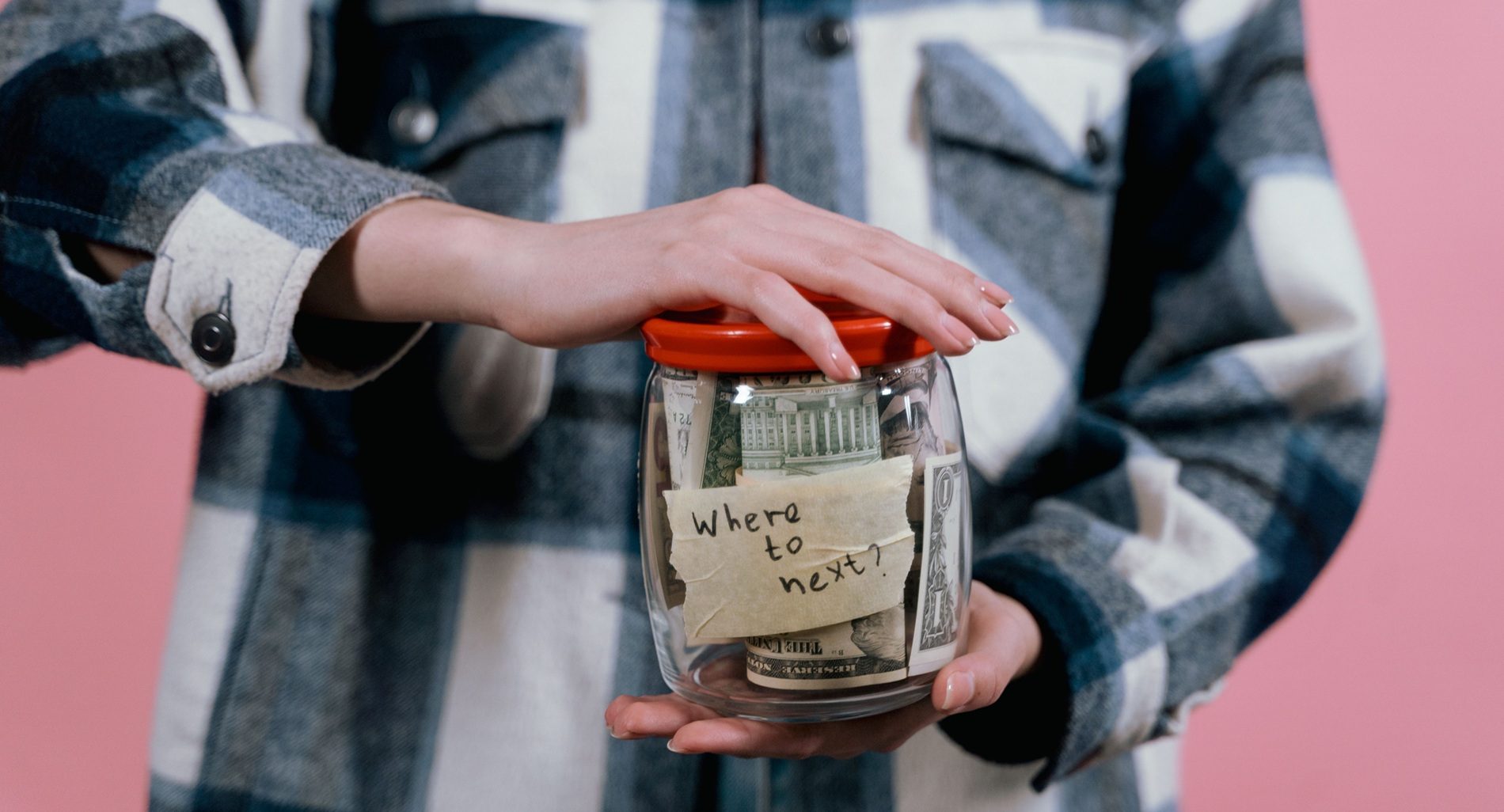
Planning a European road trip sounds wonderfully simple until you start adding up the numbers.
The rental car looks affordable, but then you remember fuel. After that, you think about tolls, parking, and hotels. Let’s also not forget about food, attraction tickets, coffee stops, and all those little expenses you didn’t think about when you first started planning.
So, how much does a European road trip cost? The honest answer is: it depends.
For instance, a 7-day road trip through Central Europe can cost dramatically less than a two-week trip through Switzerland, Italy, and France. Things like the season, your choice of hotels, the type of car you drive, and even how often you stop for coffee can all change the final number.
Rather than giving you one unrealistic figure, I want to show you how to calculate your own European road trip cost and build a budget that actually matches the way you like to travel. Because the goal isn’t to spend as little as possible.
It’s to know what you’re likely to spend so you can enjoy the trip without constantly worrying about your bank account.
In This Guide
- How Much Does a European Road Trip Cost?
- What Determines the Cost of a European Road Trip?
- Calculate Your Fuel Costs
- Estimate Your Accommodation Costs
- Budget for Food and Drinks
- Tolls, Vignettes, and Parking
- Activities and Attractions
- Don’t Forget the Small Expenses
- Leave Room for Unexpected Costs
- How to Save Money on a European Road Trip
- Create a Daily Road Trip Budget
- Sample European Road Trip Budget
- Common Budgeting Mistakes to Avoid
- Frequently Asked Questions
- Final Thoughts

1. How Much Does a European Road Trip Cost?
If you’re looking for one number, I know this isn’t the answer you were hoping for, but there really isn’t a standard price.
A European road trip could cost a few hundred euros per person for a short, budget-friendly trip, or several thousand for a longer journey with nicer hotels, more expensive destinations, and plenty of paid experiences.
For a comfortable 10-day road trip for two people, you could easily be looking at a few thousand euros in total once you include accommodation, transportation, food, activities, tolls, and parking.
But that’s just a starting point. Ultimately, your actual European road trip cost depends heavily on where you go and how you travel.
For example, Switzerland, Scandinavia, and some of Western Europe’s most popular destinations tend to be significantly more expensive than parts of Central or Eastern Europe. The good news is that you have a lot of control over the final number.
You can choose smaller towns instead of expensive city centers, travel during shoulder season, mix paid attractions with free experiences, and choose a practical car instead of paying for more space or luxury than you need. So rather than asking for one magic number, let’s break the cost down.
2. What Determines the Cost of a European Road Trip?
I like to think of a road trip budget as a collection of smaller budgets. Your main categories are:
Transportation + Accommodation + Food + Activities + Tolls & Parking + Miscellaneous
From there, you can start filling in the numbers. If you’re renting a car, transportation includes the rental itself, insurance, fuel, and potentially additional fees. If you’re driving your own car, you’ll obviously have a different set of costs.
Of course, your itinerary matters too. A trip with 1,000 miles of driving will have a very different fuel and toll budget than one with 2,500 miles. And then there is your travel style.
Are you happy with a comfortable three-star hotel, or do you prefer boutique hotels? Do you enjoy inexpensive local restaurants, or is food one of the highlights of your trip? Do you spend your days walking around towns and visiting free attractions, or do you want guided tours and experiences?
There’s no right answer. Your budget should reflect your trip, not someone else’s.

3. Calculate Your Fuel Costs
Fuel is one of the easiest road trip expenses to estimate once you know approximately how far you’ll drive.
Start with your planned distance. Then check your vehicle’s average fuel consumption and estimate the average fuel price along your route. You don’t need to predict the exact amount you’ll spend at every gas station. An average estimate is perfectly fine for planning purposes.
Once you know those things, you can get a pretty good estimate of your fuel costs. I would also add some extra mileage. Why? Because your actual road trip probably won’t follow the exact route you planned at home.
You might take a detour to a beautiful viewpoint, or maybe decide to visit another village. You might miss a turn and end up taking the scenic route. And honestly, those unplanned detours can be some of the best parts of a road trip.
Your Car Makes a Difference
The type of car you’re driving can have a noticeable effect on your fuel costs.
A small, efficient car will generally use less fuel than a large SUV, particularly over a long trip.
This is one reason I prefer choosing a car based on what I actually need, rather than automatically going for something bigger.
If you’re renting, also remember to check the fuel policy and the type of fuel the vehicle uses.
4. Estimate Your Accommodation Costs
For many travelers, accommodation will be one of the biggest parts of the trip budget. And this is where your destination can make a huge difference. On the other hand, a hotel in central Paris or Venice can cost significantly more than a similar property in a smaller town nearby.
For a road trip, you don’t always need to stay in the heart of the most famous destination. Sometimes a hotel just outside the center gives you:
- More space
- Free or cheaper parking
- Better prices
- Easier access by car
- A quieter night’s sleep
When you’re comparing hotels, don’t look only at the room rate. Check whether you’ll also pay for:
- Parking
- Breakfast
- City taxes
- Resort fees, where applicable
- Additional guest fees
A €110 hotel with free parking can be a better deal than a €90 hotel where parking costs another €30.

Think About Your Route When Booking Hotels
Your itinerary can save you money too. Instead of changing hotels every single night, consider staying two or three nights in one place and exploring the surrounding area from there.
You’ll spend less time packing and unpacking, and you may save money on transportation as well. Therefore, sometimes the smaller town you hadn’t originally considered turns out to be one of your favorite stops.
5. Budget for Food and Drinks
Food is one area where I don’t recommend trying to squeeze your budget as much as possible. You’re traveling through Europe. Eat the pizza. Try the local pastry. Stop for that coffee. Those moments are part of why you’re traveling in the first place.
Instead, think about your average daily food budget. For example, you might have:
- Breakfast: hotel breakfast, bakery, or coffee and pastry
- Lunch: casual restaurant, sandwich, market, or bakery
- Dinner: sit-down restaurant
- Snacks and drinks: coffee, water, gelato, snacks, etc.
At the same time, your food costs will depend heavily on the countries you’re visiting. A meal in a small town in Central Europe may cost much less than dinner in a popular tourist area in Paris, Venice, or Amsterdam.
I would rather give myself a realistic food budget and enjoy my meals than set an extremely low number and spend the whole trip feeling like I’m overspending.

6. Tolls, Vignettes, and Parking
Another expense that’s easy to overlook is tolls, vignettes, and parking. You might have your rental car and hotel budget figured out perfectly, only to realize that you’re also paying for motorways, vignettes, parking garages, and sometimes city access.
European road systems vary quite a bit, so it’s worth checking how tolls and vignettes work in each country before you leave. Some countries use traditional toll roads, whereas others require a vignette for certain roads. Some use electronic tolling, while cities can have their own parking restrictions or access charges.
Before you leave, check the requirements for every country you’ll drive through. Parking deserves particular attention if your itinerary includes major cities. You may find that staying outside the historic center and taking public transportation into the city saves both money and stress.
And trust me, not having to squeeze a rental car through a medieval city center is sometimes worth more than the savings.
7. Activities and Attractions
Now for the fun part. Make a list of the things you genuinely want to do on your trip. This could include:
- Museums
- Castles
- Guided tours
- Boat trips
- Scenic trains
- Wine tastings
- Concerts
- National parks
- Cable cars
- Historic sites
- Local experiences
Then check the current prices for the activities you already know you want to do and make a rough list before your trip. I like to divide them into two groups: must-do experiences that I definitely don’t want to miss, and would-be-nice experiences that I’ll consider if I have the time and room in the budget.
This gives me some flexibility without feeling like I’ve planned every single day down to the last detail. You also don’t need to book an expensive activity every day — some days can be about simply wandering through a beautiful town, finding a great café, or enjoying the scenery, which can be just as memorable and costs very little.
Some of my favorite travel memories come from things that cost absolutely nothing: walking through an old town, sitting beside a lake, finding a beautiful viewpoint, or stopping in a village we hadn’t planned to visit.

8. Don’t Forget the Small Expenses
This is where a carefully planned budget can quietly get out of control. Think about the little things you’ll probably pay for during your trip:
- Coffee
- Snacks
- Bottled water
- Public transportation
- Parking meters
- Hotel city taxes
- Laundry
- Souvenirs
- Lockers
- Charging fees
- Extra luggage storage
- Small entrance fees
None of these sounds particularly expensive. Over time, these little expenses can add up. That’s why I recommend creating a miscellaneous category in your budget specifically for these expenses. It gives you a little more freedom without having to count every coffee or €3 purchase.
9. Leave Room for Unexpected Costs
Even with careful planning, something unexpected can happen on a road trip. You might decide to stay an extra night somewhere you really love, need to take a taxi instead of driving, run into an unexpected parking charge, or simply change your route because you discover a place that wasn’t on your original itinerary. After all, that’s part of what makes road trips so enjoyable — you have the freedom to change your plans.
For that reason, I always recommend setting aside a little extra money beyond your estimated budget. Think of it as a travel cushion rather than money you’re expecting to spend. It gives you some breathing room if your plans change or an unexpected expense comes up, without forcing you to cut back elsewhere.
And if everything goes according to plan and you don’t use it? Even better. You can bring it home, put it toward your next trip, or simply enjoy knowing that you had a little financial breathing room throughout the journey.
10. How to Save Money on a European Road Trip
Saving money doesn’t mean you have to turn your trip into a series of compromises. Some of the biggest savings come from making smarter choices rather than simply spending less.
Travel During Shoulder Season
Spring and early fall can be a great time to travel. You may find lower accommodation prices and fewer crowds than during the busiest summer months.
Stay Outside the Most Expensive Areas
A hotel a short drive or public transportation ride away from a major tourist center can sometimes cost significantly less. Just remember to factor in transportation and parking before deciding.
Choose a Practical Rental Car
You don’t necessarily need a large car for a European road trip. A more compact car can be easier to park, easier to drive on narrow roads, and more fuel-efficient.
Furthermore, choosing a smaller, more fuel-efficient car can also help reduce your overall fuel costs, particularly if you’re covering a lot of miles. If you’re interested in comparing the wider environmental impact of different ways of getting around Europe, the European Environment Agency has useful data on transport and mobility across Europe.
Mix Paid and Free Experiences
You don’t need an expensive attraction every day. Balance museum visits, tours, and tickets with walking tours, parks, viewpoints, markets, and exploring historic neighborhoods.
Don’t Try to See Everything
This is one of my favorite money-saving tips. The more destinations you squeeze into your itinerary, the more you’ll spend on fuel, tolls, parking, and accommodation.
Sometimes slowing down is actually the more affordable option. And personally, I think it’s the better way to experience Europe too.
11. Create a Daily Road Trip Budget
Once you’ve estimated your major expenses, turn them into a daily average. For example, imagine your estimated costs look like this:
| Category | Estimated Daily Cost |
|---|---|
| Accommodation | €130 |
| Food & drinks | €60 |
| Fuel | €35 |
| Activities | €25 |
| Tolls & parking | €20 |
| Miscellaneous | €15 |
| Estimated daily average | €285 |
That doesn’t mean you need to spend exactly €285 every day. You might spend €180 one day and €400 the next, and that’s completely normal. The point is simply to understand your average spending and make sure the overall trip fits comfortably within your budget.
*These are illustrative figures, not fixed prices.
Separate Fixed and Flexible Costs
I also find it useful to divide expenses into two groups.
Fixed costs:
- Hotels
- Rental car
- Major attraction tickets
- Pre-booked tours
Flexible costs:
- Food
- Fuel
- Parking
- Coffee and snacks
- Shopping
- Spontaneous activities
Your fixed costs are easier to calculate before the trip. Meanwhile, your flexible costs need a little more breathing room.

12. Sample European Road Trip Budget
Let’s imagine a 10-day European road trip for two people. Here’s an example of how the budget might look:
| Category | Estimated Cost |
|---|---|
| Rental car | €450 |
| Fuel | €250 |
| Accommodation | €1,200 |
| Food & drinks | €550 |
| Tolls & vignettes | €150 |
| Parking | €100 |
| Activities | €200 |
| Miscellaneous | €150 |
| Estimated total | €3,050 |
That works out to around €305 per day for two people, or about €153 per person per day. But remember: this is an example, not a universal price. A similar trip could cost considerably less in some destinations and significantly more in others.
Your accommodation choices alone can move the total by hundreds or even thousands of euros. That’s why I prefer using this kind of breakdown rather than saying, “A European road trip costs X.” It gives you a method you can actually use for your own itinerary.
13. Common Budgeting Mistakes to Avoid
There are a few things that can throw off even a carefully planned road trip budget.
- Only budgeting for the rental car – The car is just one part of your transportation costs.
- Forgetting parking – This can be particularly expensive in major European cities.
- Underestimating fuel – Your actual driving distance will probably be higher than the route you initially planned.
- Ignoring tolls and vignettes – Check every country on your route before you leave.
- Setting an unrealistic food budget – If you know you’ll want to eat at restaurants, make room for it.
- Forgetting local taxes and fees – Check whether your hotel price includes everything.
- Not budgeting for spontaneity – A road trip should leave you enough financial breathing room to say yes to something unexpected.
- Trying to save money on absolutely everything – Sometimes paying a little more for a better location, easier parking, or a more comfortable hotel is worth it.
Frequently Asked Questions
How much does a European road trip cost for two people?
There is no single answer because costs vary significantly by destination, season, trip length, and travel style. A comfortable 10-day road trip for two people can easily cost a few thousand euros once you include accommodation, transportation, food, activities, tolls, and parking.
What is the biggest expense on a European road trip?
Accommodation and transportation are often the largest categories, but it depends on your itinerary. Expensive destinations can make hotels the biggest expense, while a long driving route can significantly increase transportation costs.
How can I make a European road trip cheaper?
Traveling during shoulder season, choosing smaller rental cars, staying outside expensive city centers, mixing paid and free activities, and avoiding an overly ambitious itinerary can all help reduce your overall costs.
How much should I budget for food on a European road trip?
That depends heavily on where you’re traveling and how you like to eat. Instead of using one fixed amount, estimate a daily average based on your typical breakfast, lunch, dinner, drinks, and snacks, then give yourself some extra room for nicer meals.
Should I include an emergency fund in my road trip budget?
Yes. I strongly recommend keeping a separate buffer for unexpected expenses. You don’t necessarily need to spend it, but having it available makes the trip much less stressful if your plans change.
Final Thoughts
So, how much does a European road trip cost? More than the rental car and a tank of gas, that’s for sure. But once you break everything down, creating a realistic budget becomes much less intimidating.
Think about the big categories first: transportation, accommodation, food, activities, tolls, and parking. Then add the smaller expenses and give yourself some breathing room for the unexpected.
And don’t make the mistake of thinking a good budget means choosing the cheapest option every time.
Sometimes spending a little more on a hotel with parking saves you money elsewhere. Other times, staying an extra night means you don’t have to rush through a destination. On occasion, the best decision is simply saying yes to the experience you hadn’t planned for.
A road trip isn’t supposed to feel like a spreadsheet on wheels. Plan enough to know you’re financially comfortable, then leave some room for the part you can’t plan — the journey itself.